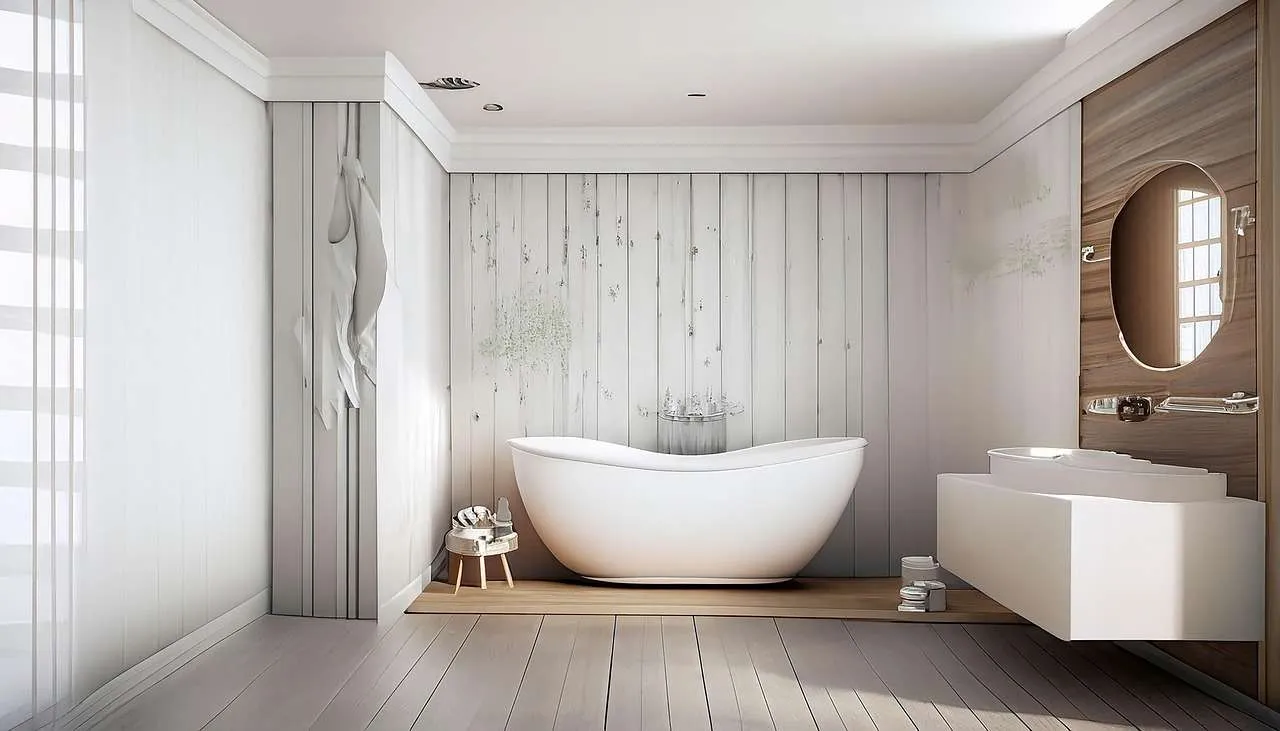
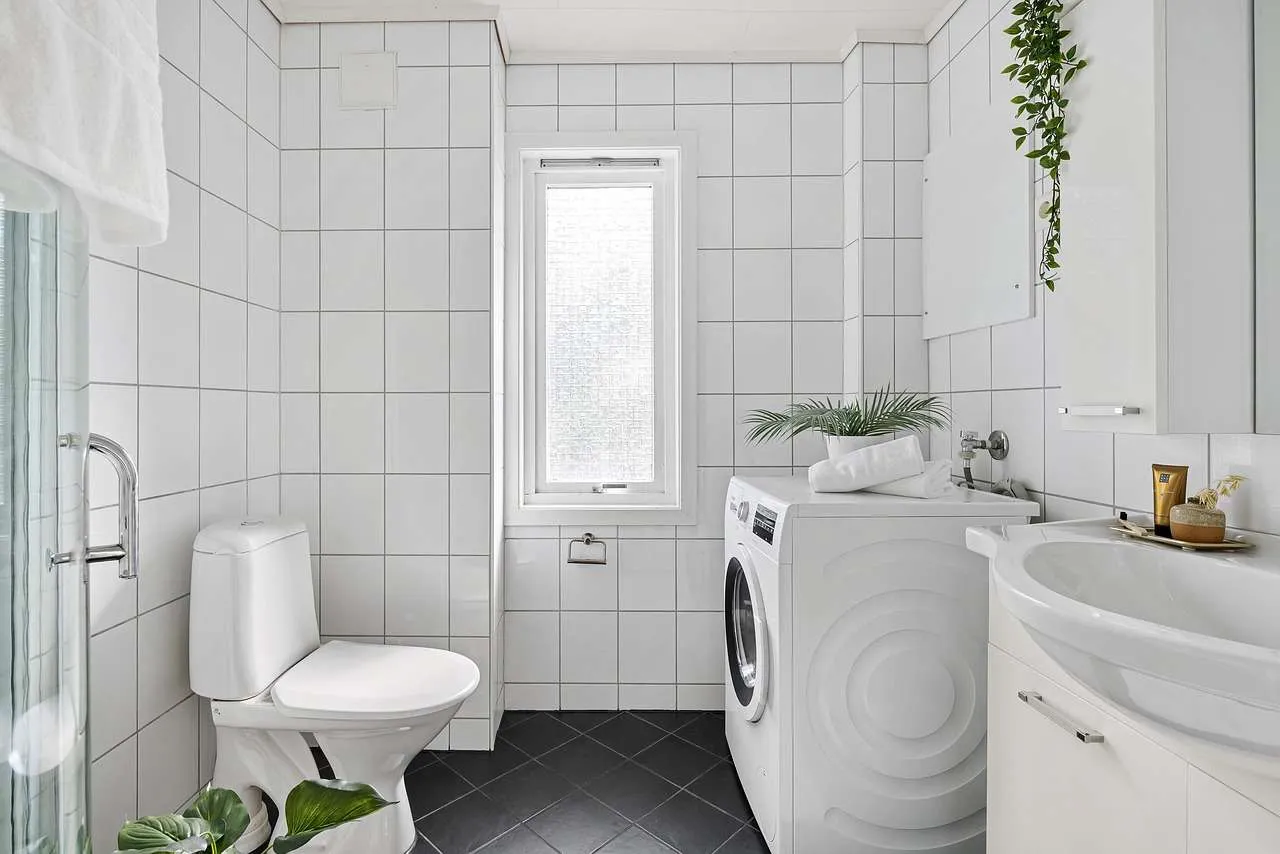
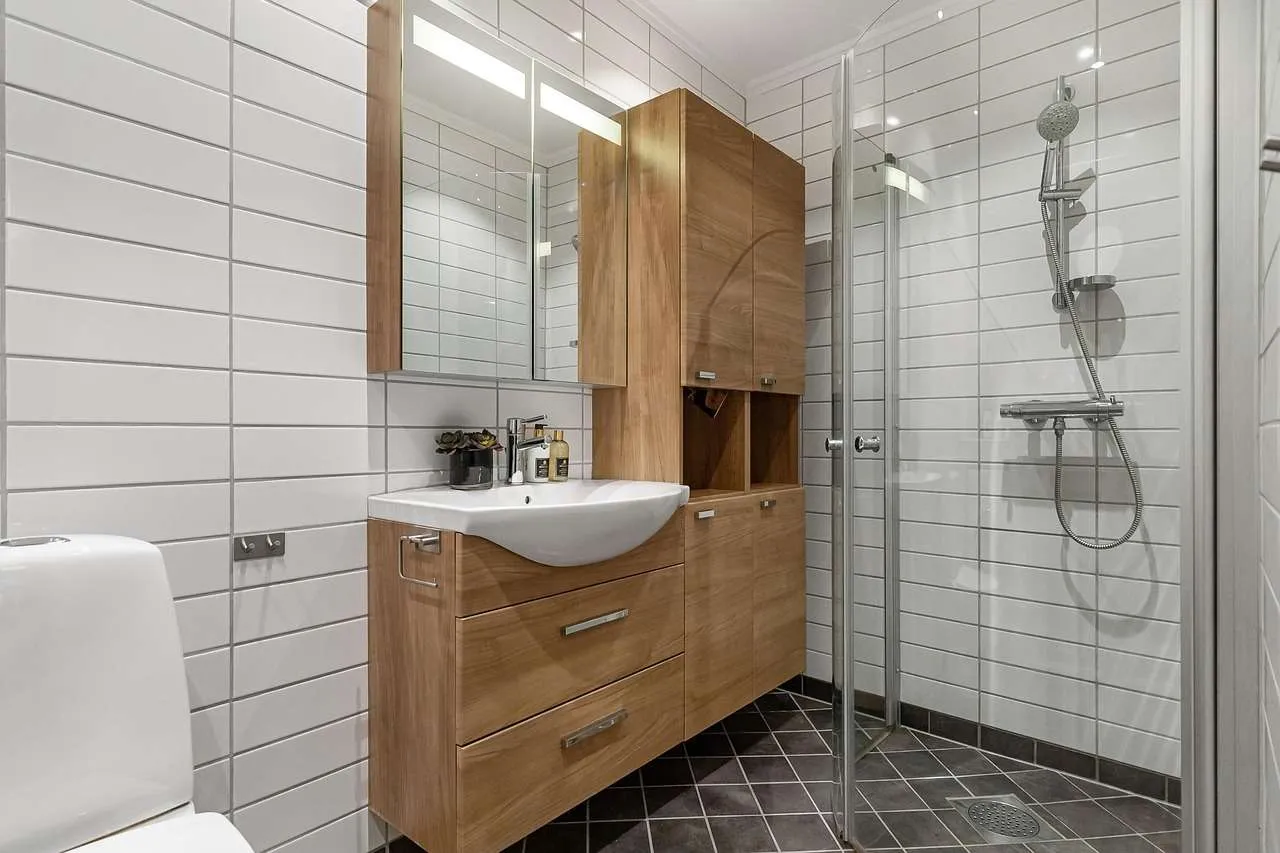
Explore bathroom decor ideas with expert tips on color, lighting, storage, and finishes.
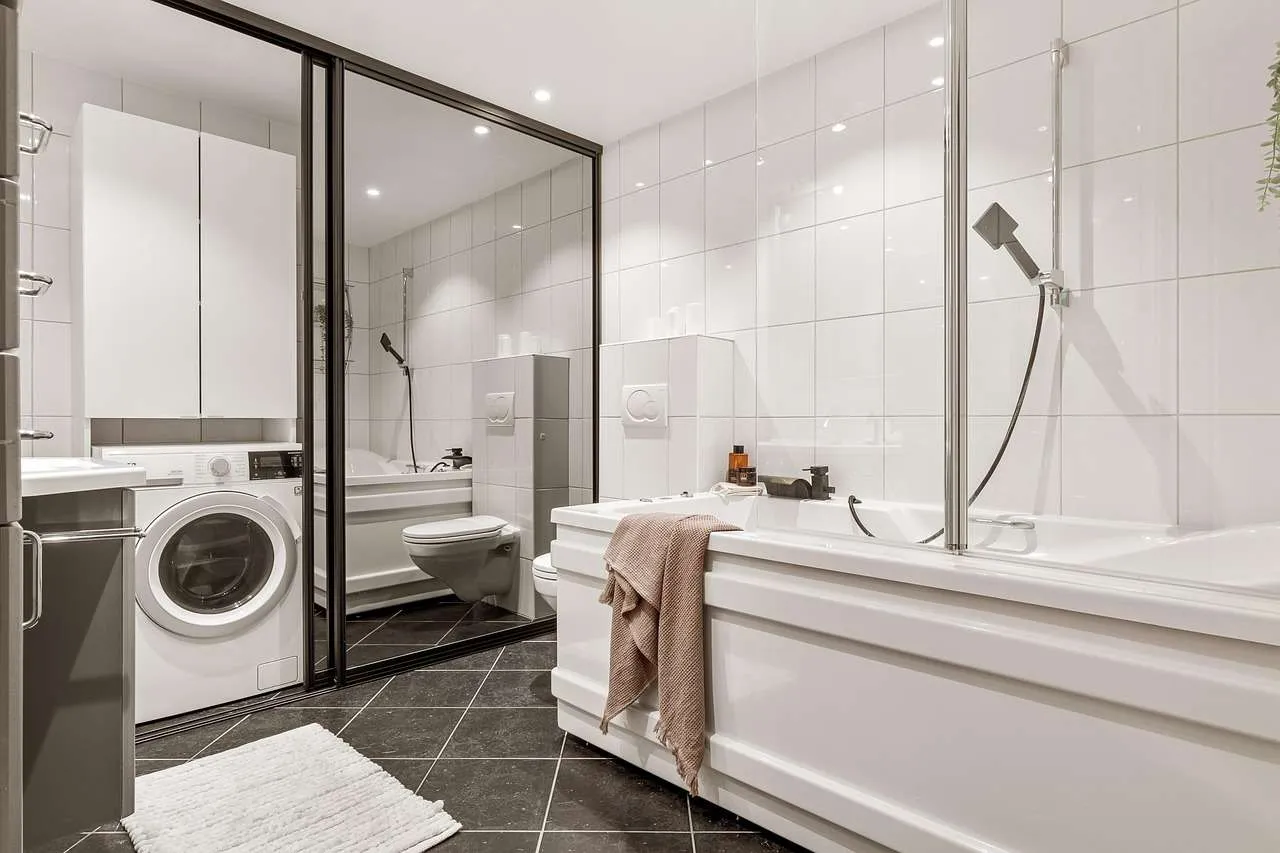
Designing a bathroom is a chance to fuse practicality with personal style. This guide on bathroom decor ideas helps you create a calm, functional space with thoughtful color, lighting, textures, and storage. By combining professional design principles with real world constraints, you can elevate any bathroom, from a compact powder room to a spacious ensuite.
Key Trends in Bathroom Decor
- Natural textures such as stone, wood grain, and woven materials add warmth.
- Warm neutrals and soft contrast create a timeless look that hides wear.
- Matte fixtures and rounded edges offer modern sophistication without glare.
- Large mirrors, floating vanities, and open shelving enlarge perceived space.
- Sustainable materials and water saving fixtures support eco friendly living.
Color and Lighting: Setting the Mood
Choose color palettes that suit your home architecture and lighting conditions. Light neutrals like ivory or soft gray act as a clean canvas, while a bold accent wall or accessories in navy, sage, or terracotta provide personality without overwhelming small rooms. Layer lighting with ambient ceiling light, task lighting around mirrors, and subtle accent lighting behind mirrors or under vanities. Dimmable options let you adapt the mood for morning routines or relaxing baths.
Color Palettes that Work
Neutral bases paired with rich accents offer flexibility for evolving style. For larger bathrooms, airy whites and warm beiges with wood accents feel spa like. In smaller spaces, reserve dark tones for accessories while keeping walls light to maximize brightness. Consider a metal finish that echoes hardware throughout the room to create coherence.
Storage and Organization: Practical Beauty
Smart storage reduces clutter and keeps surfaces clean. Floating vanities provide space for towels and baskets without crowding the floor. Recessed niches in the shower increase storage without sacrificing tiles. Wall mounted shelves and baskets in natural fibers add texture while remaining easy to clean. Always plan for daily essentials, extra toiletries, and cleaning tools in a way that minimizes visual noise.
| Idea | Pros | Cons | Best For |
|---|---|---|---|
| Floating vanity | Feels light, hides plumbing, easy to clean | Can limit under cabinet storage | Small to mid size bathrooms |
| Wall shelves | Accessible storage, displays decor | Dust accumulation; needs support | Open shower areas and corners |
| Built in niches | Minimalist look, water resistant | Requires precise tiling | Shower and tub surround |
| Mirrored medicine cabinet | Hidden storage, doubles as mirror | Can feel cramped in small rooms | Full width walls or master baths |
Materials and Finishes: Durability and Style
Durable materials stand up to humidity, splashes, and daily use. Porcelain and ceramic tiles are versatile and easy to maintain, while natural stone offers luxury with proper sealing. Quartz countertops resist stains and scratches and pair well with undermount sinks. Choose finishes that resist water spots, such as matte chrome or brushed nickel, to maintain a refined look with less cleaning effort.
Budgeting and Personal Style: A Quick Guide
Define a realistic budget based on the size of your bathroom and the scope of updates. Prioritize essential upgrades like lighting, ventilation, and surfaces that endure moisture. Invest in a few high impact focal pieces such as a statement vanity mirror, a durable vanity top, or a quality shower door. Blend timeless elements with current accents to reflect your taste while preserving resale value.
Easy Upgrades for Any Space
Even small changes can dramatically change the feel of a bathroom. Swap outdated fixtures for modern yet timeless options. Update textiles with plush towels and a quality rug. Add greenery for freshness, and install a stylish shower curtain or glass enclosure to expand the sense of space. These upgrades require minimal disruption and offer high visual returns.
Expert Tips and Trustworthy Steps
Ask an interior designer or a licensed contractor for input on waterproofing, ventilation, and code requirements. Use moisture resistant paints, sealants, and grouts to prevent staining and mildew. Prioritize quality materials and precise measurements to avoid costly mistakes and ensure long lasting results.
Summary This article summarized how to choose color palettes, layering lighting, maximize storage, select durable materials, and tailor bathroom decor ideas to your space and budget.