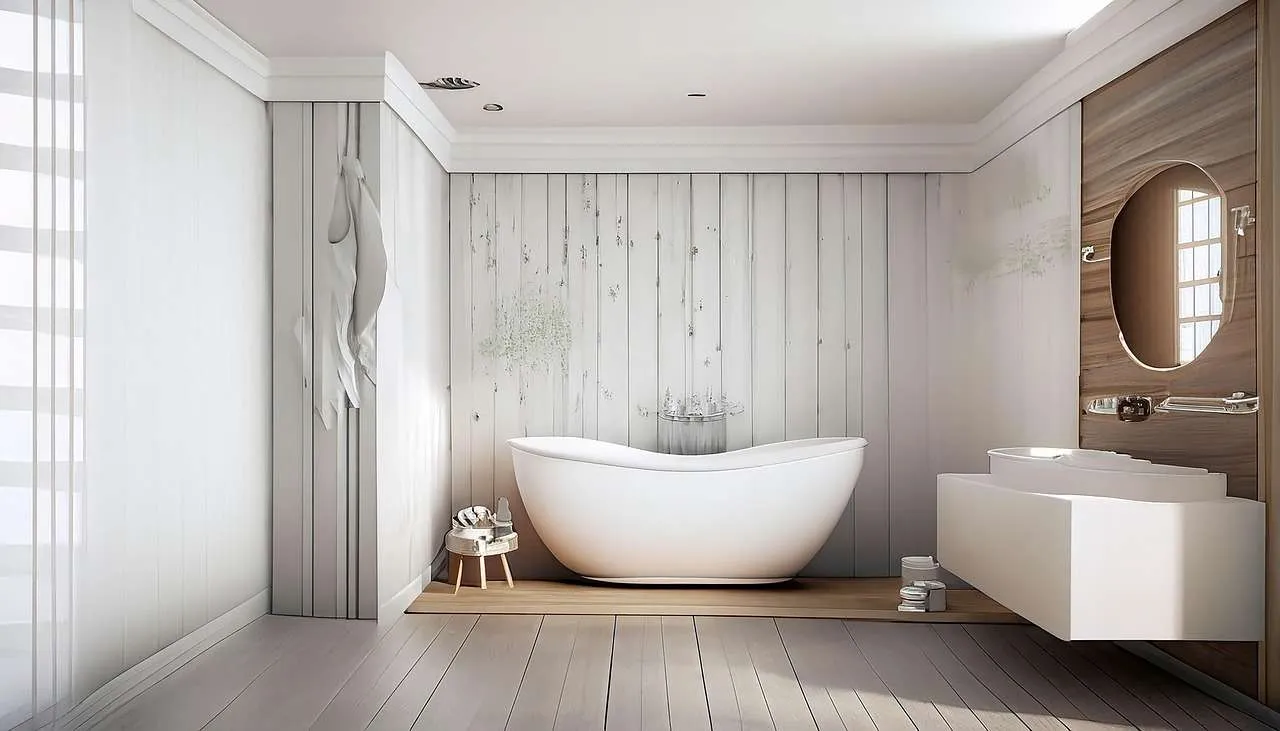
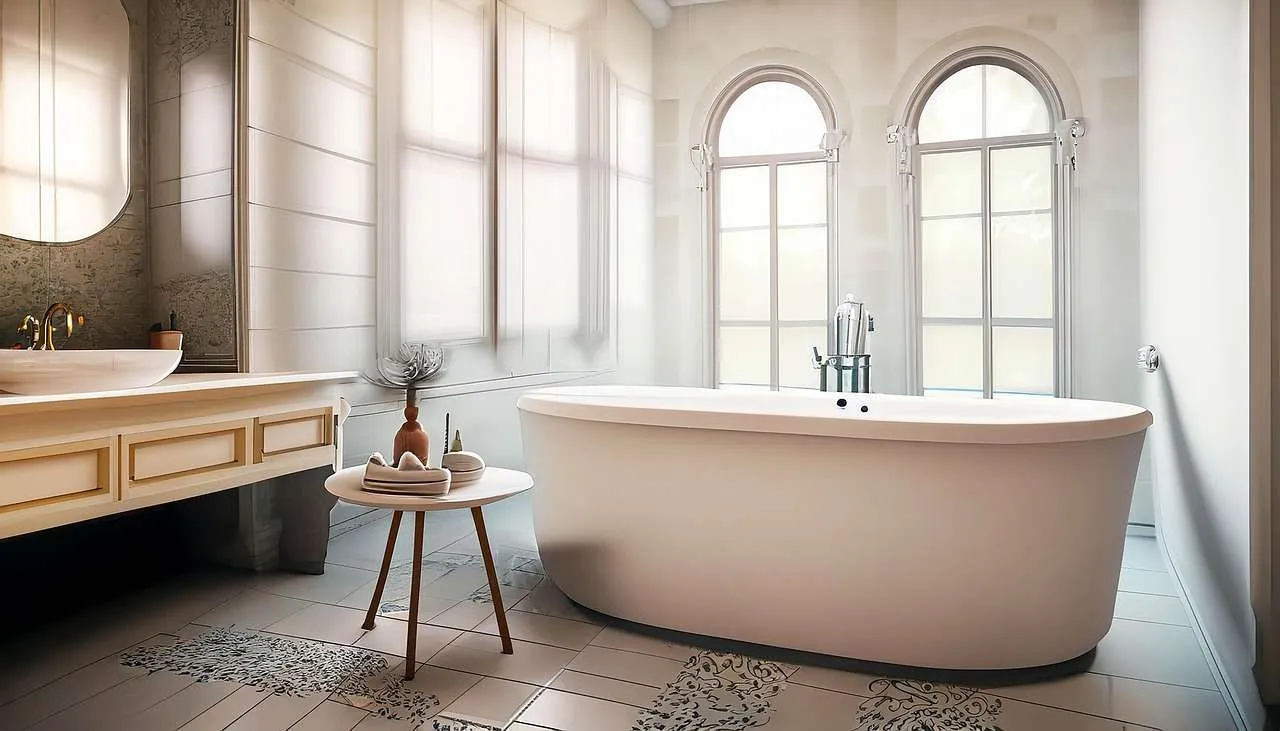
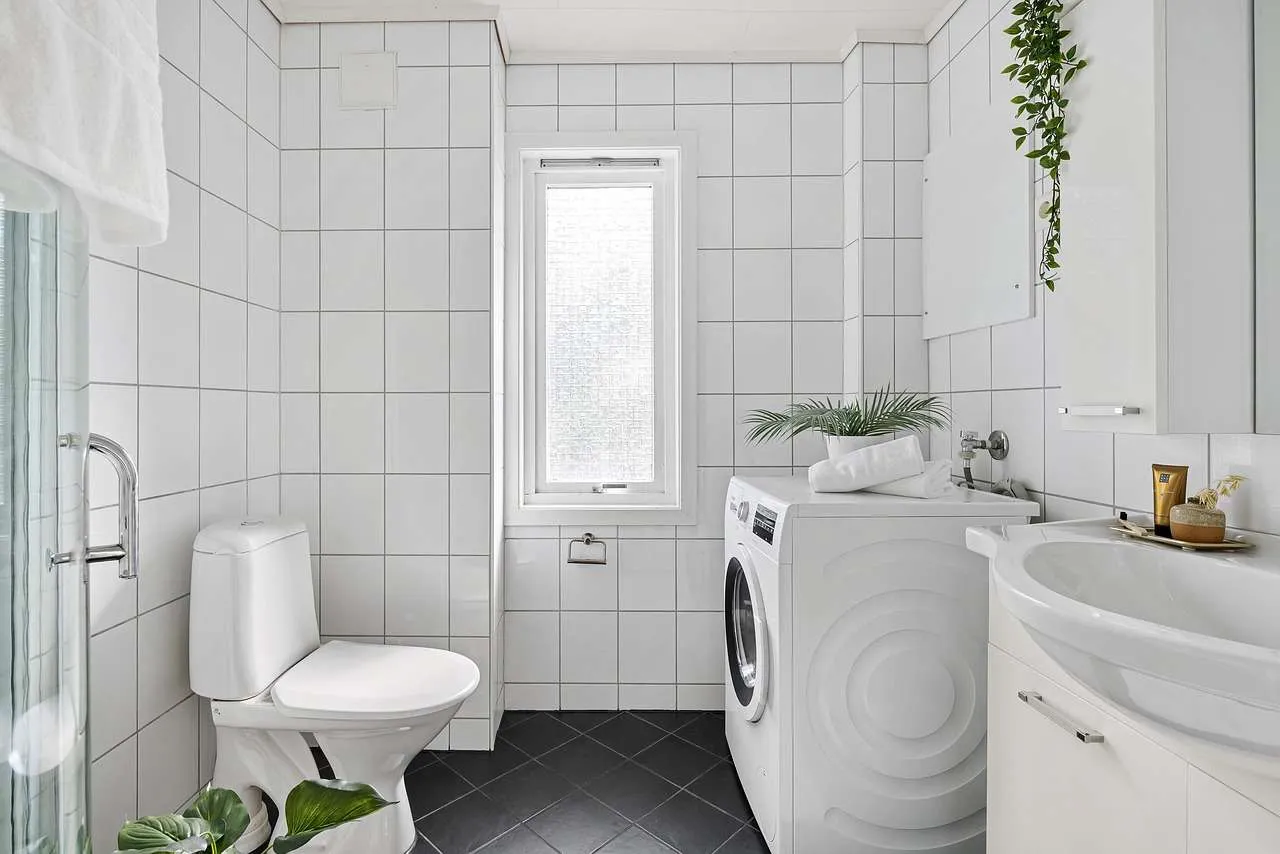
Inspiring small bathroom ideas with space-saving design, storage, and lighting tips.
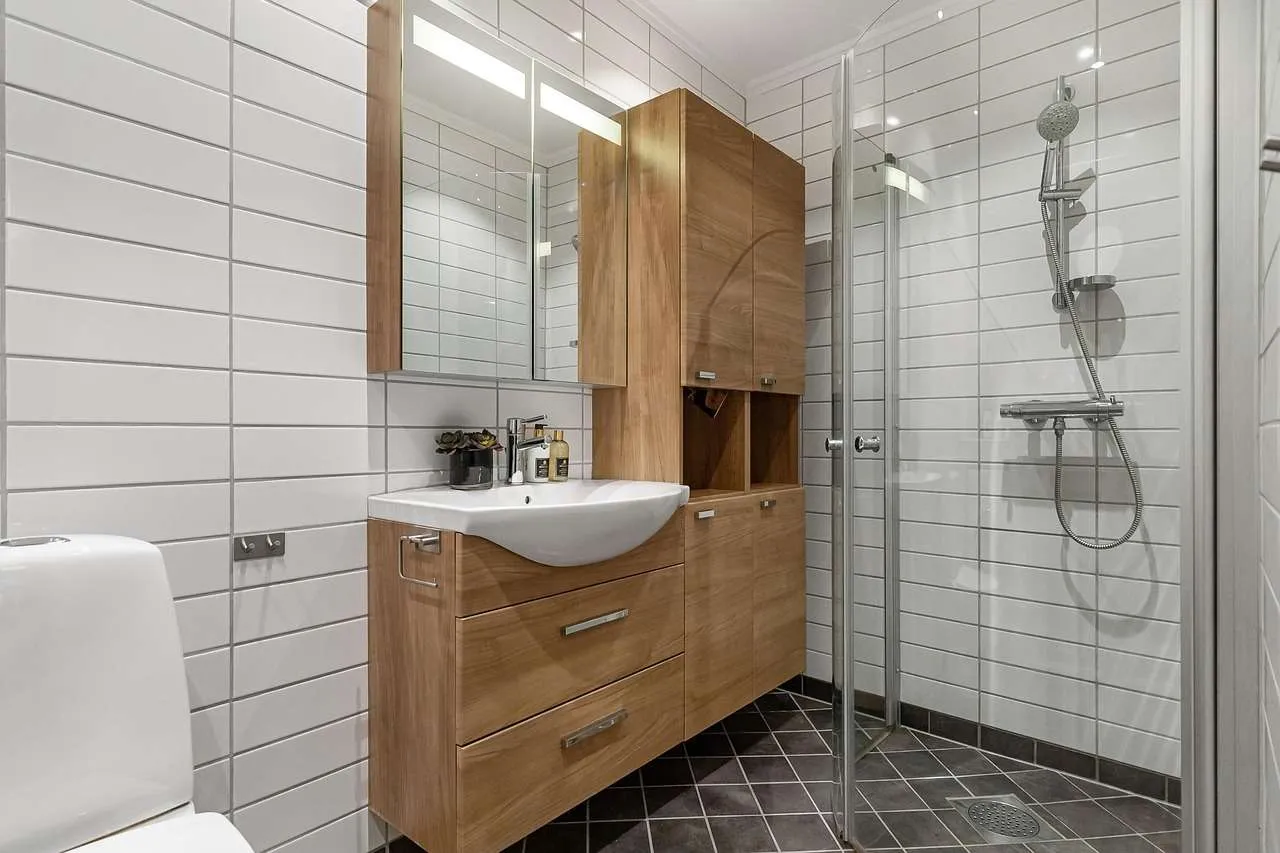
Designing a small bathroom is about smart design. The goal is to maximize perceived space while maintaining usability and comfort. With over a decade of experience in small-space design, this article shares practical small bathroom ideas that reflect proven principles and expert-backed advice from design professionals for long-term durability.
Maximize space with light, color, and mirrors
Use pale shades, cool neutrals, and reflective surfaces to eliminate visual clutter. A large mirror doubles the perceived size, while gloss tiles and a light-colored floor bounce light around the room. Professional designers recommend a single cohesive color palette to avoid busy contrast that makes the space feel smaller.
Space-saving fixtures and smart storage
Where you install fixtures matters. Wall-mounted vanities and toilets keep floor space clear, making the room feel larger and easier to clean. A corner sink or compact pedestal is another option. Behind-the-mat storage can be hidden with recessed medicine cabinets or niches in the shower wall. Floating shelves and tall, slim cabinets take advantage of vertical space without crowding the footprint.
Key fixtures
- Wall-mounted vanity with shallow depth
- Wall-hung toilet or concealed-tank model
- Glass shower enclosure with door that opens wide
- Recessed storage niches for toiletries
Shower and door choices that save space
Shower design can dramatically affect room feel. Consider a curbless or low-threshold shower with a clear glass enclosure. Pocket doors or sliding doors free up floor space that a swinging door would consume. In tiny baths, a shower-curtain can be a budget-friendly option, but glass enclosures often feel more expansive clean and bright.
Lighting, ventilation, and warming touches
Layered lighting is essential in small baths. Use a combination of ceiling ambient, task lighting near the vanity, and a reflective mirror with integrated lighting. Good ventilation prevents moisture buildup that leads to mildew and warped finishes. Non-slip mats and heated towel racks add comfort and safety.
Materials and finishes to last
Choose moisture-resistant materials with simple maintenance. Porcelain, ceramic, and quartz countertops resist water and stains. Large-format tiles reduce grout lines, while lighter floors brighten the space. Use matte finishes for less glare and slip resistance for floors. A durable, water-resistant paint or powder-coated fixtures extend the life of the room between renovations.
Layout ideas and quick comparison
When reconfiguring a tiny bath, think about how you move through the space and what you need at arm's reach. The table below compares common space-saving ideas.
| Option | Pros | Cons | Best For |
|---|---|---|---|
| Pocket door | Frees swing space; opens narrow layouts | Install costs; requires wall pocket space | Narrow entrances, tight bathrooms |
| Wall-mounted vanity + wall-hung toilet | Open floor plan; easier cleaning | Install complexity; may reduce storage | Very small footprints |
| Glass shower enclosure | Appears larger; reflects light | Higher cost; requires maintenance | Corner showers in tight baths |
| Recessed storage niches | Hidden, clutter-free storage | Requires wall space and construction | Toiletries within easy reach |
Additional practical tips include choosing a single lighting fixture with integrated LED and a dimmer to adapt mood and task lighting. Use organizers inside vanity drawers and ottoman-style baskets under sink to maintain order. If you are unsure about electrical or plumbing changes, consult a licensed professional to ensure code compliance and long-term safety.
Conclusion, with a thoughtful combination of light colors, smart storage, and compact fixtures, a small bathroom can feel spacious, functional, and elegant while staying within budget and time constraints.