Home window tint guide: energy savings, UV protection, privacy, and installation tips.
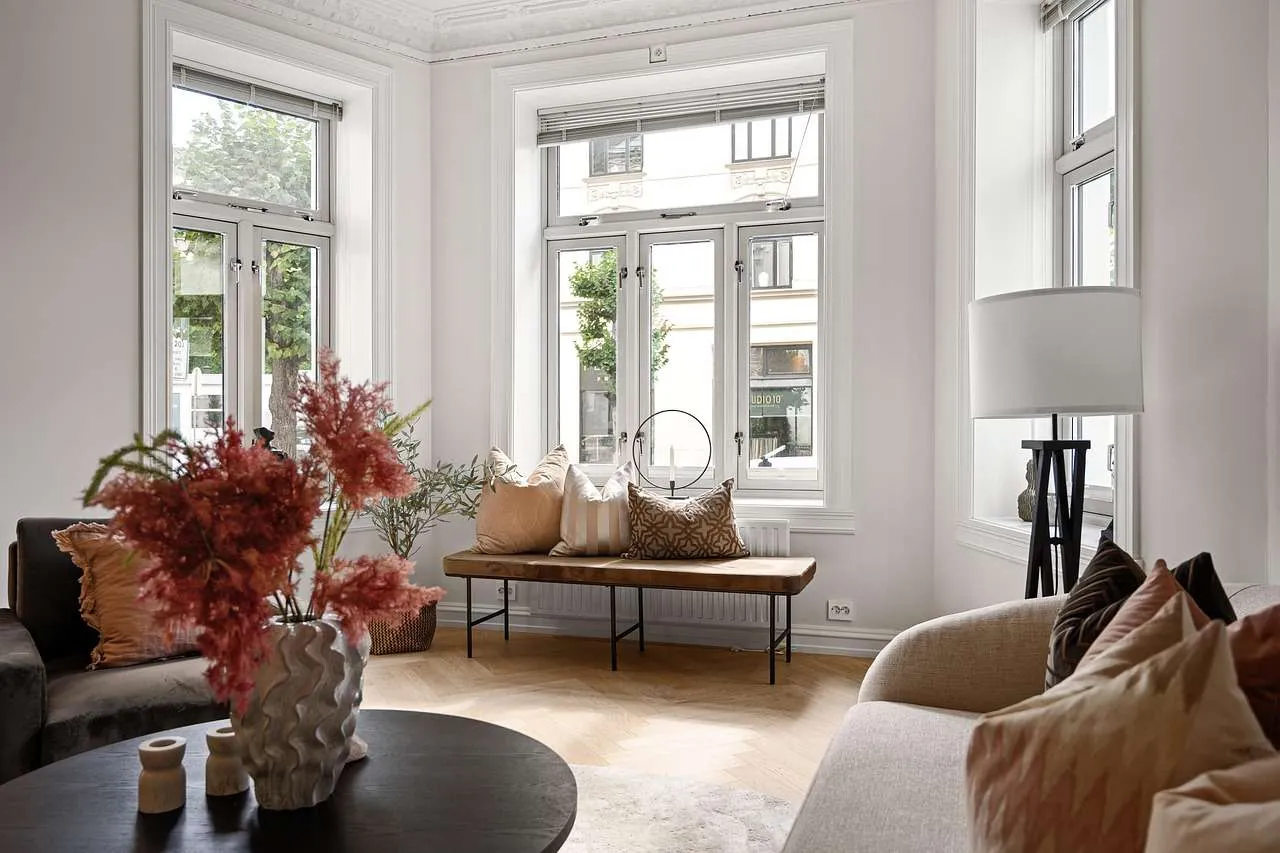
Home window tint refers to thin films applied to glass to block UV, reduce heat, and provide privacy. Modern films enhance sunlight quality, lower cooling costs, and create a more comfortable living space without sacrificing natural light or views.
What is home window tint?
Window tint for homes is a specialty film engineered to adhere to interior glass surfaces. The film acts like a sunscreen for your windows, filtering out a large portion of infrared (heat) while passing visible light. By reducing heat gain and glare, tinted windows help stabilize indoor temperatures and protect furnishings from sun damage, all while preserving daylight and outward visibility.
Common film types and benefits
There are several film technologies, each with unique trade-offs. Understanding their strengths helps you align a choice with climate, aesthetics, and budget.
Dyed films
Dyed films are the most budget-friendly option. They darken the glass, reduce glare, and cut some UV. They’re easy to install but can fade or change color over time and offer moderate heat rejection compared with newer materials.
Metalized films
Metalized films reflect a large portion of solar heat, delivering strong IR rejection and energy savings. They can appear very dark and may interfere with signals from electronics like cell phones or wi‑fi devices in some cases. Aesthetic choices vary from subtle to highly reflective.
Ceramic films
Ceramic films deliver superior performance with excellent UV blocking and high IR rejection while remaining non-conductive. They preserve natural color and clarity and are less prone to fading. This is the premium option for longevity and comfort.
Carbon films
Carbon-based films provide robust heat rejection with a darker, more uniform appearance. They’re durable, non-conductive, and offer a good balance of price and performance, making them a popular mid-range choice.
Hybrid films
Hybrid films combine dyed and metalized technologies to balance cost and performance. They offer decent heat rejection and glare reduction, with fewer electronics interference issues than pure metalized films.
How to choose the right film for your home
Choosing the right window tint involves considering climate, orientation, and local regulations. Here are practical steps to guide your decision.
- Assess sun exposure: south- and west-facing windows typically benefit most from higher IR rejection.
- Define goals: privacy, glare reduction, or energy savings.
- Check local laws: some regions limit front-facing window tint or require certain VLT (Visible Light Transmission) levels.
- Balance cost and longevity: ceramic and carbon films offer longer lifespans but at higher upfront costs.
- Look for warranties: a strong warranty signals confidence in product durability and workmanship.
Installation: professional vs. DIY
Professional installation ensures precise cutting, edge sealing, and proper bubbling control, which maximize film life and appearance. DIY kits exist, but they require careful surface preparation, contamination-free environments, and meticulous squeegeeing to avoid air bubbles and edge peeling. If you’re unsure, hiring a reputable installer with references is a smart EEAT-aligned choice.
Costs and value
Costs vary by film type, window size, and labor. As a rough guide, professional installations might range per square foot as follows: Dyed $5–$8, Metalized $6–$9, Carbon $7–$12, Ceramic $8–$12, Hybrid $7–$10. Larger or unusually shaped windows can increase the price. While premium films cost more upfront, the long-term energy savings, UV protection, and furniture preservation can justify the investment over time.
Maintenance, safety, and warranties
Maintenance is simple: clean with a soft cloth and mild, non-ammonia cleaners to protect the film’s adhesive. Avoid abrasive tools that can scratch the surface. After installation, allow the film to cure as recommended by the installer, typically several days before heavy cleaning or operations that involve humidity. Most reputable tints come with warranties ranging from 5 to 15 years, covering peeling, bubbling, or discoloration under normal use.
Table: Film type comparison
| Film Type | UV Rejection | IR Rejection | Clarity/Color | Conductivity | Typical Cost | Notes |
|---|---|---|---|---|---|---|
| Dyed film | Good | Moderate | Clear to tinted; may fade | Non-conductive | $5–$8/ft² | Budget-friendly; shorter lifespan |
| Metalized film | Excellent | Excellent | Reflective; color varies | Metallic; potential signal interference | $6–$9/ft² | Strong heat rejection; electronics caution |
| Ceramic film | Excellent | Excellent | High clarity; stable color | Non-conductive | $8–$12/ft² | Best overall performance; premium price |
| Carbon film | Very good | Good | Rich, uniform color | Non-conductive | $7–$12/ft² | Balance of price and performance |
| Hybrid film | Good | Moderate–Good | Balanced tint | Mixed | $7–$10/ft² | Mid-range performance |
Legal and safety considerations
Always verify local regulations before tinting, especially for front doors and driver-side windows. In case of breakage, many films offer safety features that help hold shards together, reducing injury risks in accidents. Choosing a reputable installer also supports compliance with building codes and safety standards.
Conclusion
Conclusion, selecting the right home window tint combines an understanding of film technologies, climate, and local rules with professional installation and solid warranties. By balancing heat rejection, UV protection, glare control, and privacy, you can improve comfort, protect furnishings, and lower energy costs while maintaining an inviting view.